
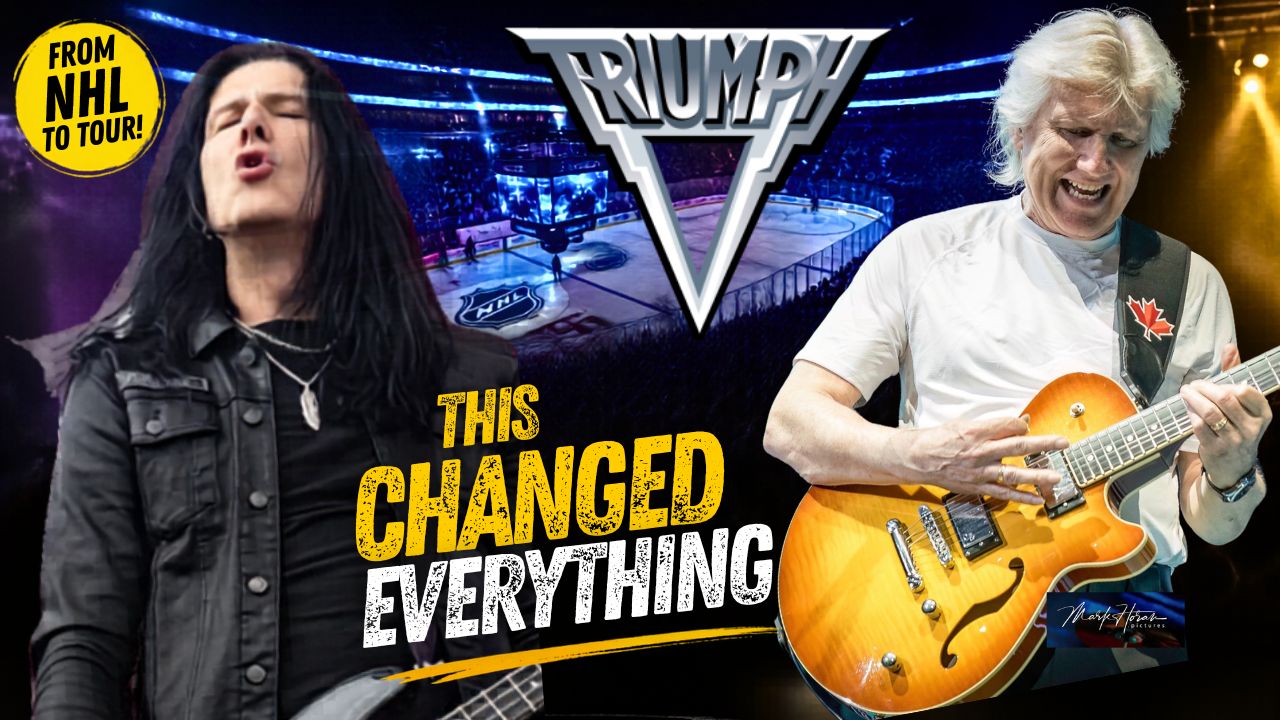
The ongoing Triumph 50th anniversary tour has quickly evolved into one of the more compelling live stories of 2026. In a new Metal Mayhem ROC interview, Todd Kerns offers a grounded, behind-the-scenes look at how the project moved from concept to execution—and why it continues to gain traction as it hits the road.
What stands out immediately is how unplanned the trajectory has been. What began as a tribute concept has now become a full touring production, with Kerns at the center of a lineup that bridges legacy and modern performance.
The Catalyst
Kerns traces the origins of his involvement back to the Magic Power tribute album, a project that brought together a network of musicians connected through producer Mike Clink and longtime Triumph relationships. While tribute albums often exist in isolation, this one created something more tangible.
The sessions themselves were unconventional, taking place during the pandemic and pairing Kerns with a rotating cast of high-level players. The experience built familiarity within the group and quietly laid the groundwork for something larger. What initially felt abstract—ideas of a touring concept or live tribute—began to take shape through those connections.
At the time, there was no clear blueprint. The concept floated somewhere between a tribute performance and a larger-scale presentation. As Kerns describes it, the idea felt “unclear and fantastical,” with no defined endpoint.
The Creative Process
The turning point came with an unexpected opportunity: a high-profile NHL playoff performance in Edmonton. What started as a one-off appearance quickly became a proving ground for the lineup.
With minimal lead time, Kerns and the group shifted focus entirely, preparing a small set that would ultimately serve a much larger purpose. The performance revealed something critical—not just that the music could be executed at a high level, but that the chemistry between players translated in a live setting.
Equally important was the internal reaction. While Gil Moore had been driving the vision forward, Rick Emmett approached the concept more cautiously. That NHL moment changed the dynamic. Experiencing the lineup in real time provided the confidence needed to move forward with a full tour.
What followed was a rapid escalation. Ideas that had lingered in the background began to solidify, and what was once speculative quickly became actionable.
Sound, Intent, or Message
As the tour has taken shape, the focus has remained firmly on respecting the original material. Kerns emphasizes a disciplined approach to performance—one rooted in accuracy rather than reinterpretation.
That philosophy comes from experience. Whether working within Slash’s camp or performing material tied to other legacy catalogs, Kerns approaches each situation with a clear directive: deliver the songs as they were meant to be heard.
At the same time, the expanded lineup allows for a fuller representation of Triumph’s recorded sound. The original trio created dense, layered arrangements that were often difficult to replicate live. With additional players, those elements can now be realized more completely on stage.
Rick Emmett’s involvement is central to that balance. Far from stepping back, he remains actively engaged in shaping arrangements, offering ideas, and refining how the material translates live. His role ensures that while the production may expand, the core identity of the music remains intact.
Touring / What’s Next
With the tour now underway, what began as an experiment has become a legitimate touring entity. Early expectations leaned toward theaters and smaller venues, but the scale has grown quickly, with performances moving into larger spaces—including hockey arenas.
That shift reflects the mindset driving the project. Rather than cautiously building from the ground up, the approach has been ambitious from the start. The same forward-thinking attitude that defined Triumph in its original era continues to influence how the tour is being executed today.
Production is another area where that ambition is evident. Triumph has always been known for its visual presentation, and this version of the band is no different. With access to modern staging technology and a team experienced in large-scale productions, the current tour is positioned to deliver a visually expansive experience.
As Kerns notes, every element remains fluid. Setlists are still being refined, arrangements continue to evolve, and discussions around future possibilities—including additional touring markets and even new material—remain open.
Why This Interview Matters
What makes this conversation significant is its immediacy. Rather than reflecting on a completed project, Kerns is speaking from within the process as it unfolds.
There’s no polished narrative here—only a clear picture of how a modern touring project develops in real time. The Triumph 50th anniversary tour is not the result of a long-term master plan. It’s the product of opportunity, chemistry, and a willingness to move forward when the right moment presents itself.
That perspective offers insight not just into this tour, but into how legacy artists can adapt their material for contemporary audiences without losing authenticity.
Subscribe to Metal Mayhem ROC on YouTube
https://www.youtube.com/@metalmayhemroc
Watch the Full Interview
GET SPECIAL MMROC SHOW UPDATES!
Become a part of a community of fellow metal heads who get updated on special episodes, interviews and and exclusive metal news.
We hate SPAM. We will never sell your information, for any reason.


